News

New Facebook features for 2016

funciones facebook

funciones facebook

Twelve years ago Facebook was born and today it’s still the world’s biggest social network. This success is due to the great adaptability and evolution of the company. They have been able to understand exactly what their users need, how and when to give them. Following the constant evolution and, knowing that many social networks are gaining rapid popularity, this year we will see some new Facebook features.

1-Forget your ex

Forget our exes is increasingly complicated, and this is thanks to social networks: we learn what they like, what they do and with whom they are. It is for this reason that Facebook developed a feature that lets you decide how long you need to forget your ex partner.
How does it work? Once you change your status from “In a relationship” to “Single” the platform will offer you  three options:

• View your ex publications less frequently.

• Limit access to photos, videos and states that your ex can publish.

• Limit access to your ex to your older publications.

The best part is that your former partner will never be notified. This feature is now available in the US and it will be soon incorporated worldwide.

2-More emojis!

The new Emojis are now available and they are the funniest novelty this year. A couple of months ago, the only options users have  were  “comment” or “Like” publications. After much debate, Facebook chose to extend the permitted reactions and incorporate new emojis.

3-Smarter messages

“Facebook Messenger” is constantly evolving and this year even users who don’t have Facebook would be able to downloaded the App. Moreover, this app will incorporate “M”, an intelligent personal assistant (like Siri). Would you like to know at what time you movie start or where to eat near your home? “M” is here to answer all your questions.

4-Personalize your profile picture

Another new feature of Facebook  is a change in profile photo position (now it is focused), both on mobile phones and tablets. Moreover, due to the great popularity to take the videos this year: Facebook allow you to add a video as your profile picture!

funciones facebook

5-Share live video

Everybody has dreamed to be in two places at once. There are several Apps, “Periscope” for example, which allow you to record and share live videos. As Facebook didn’t want to be left out, the social network has developed “Facebook Live”. It will be available soon. Meet the world through Facebook!

Is your brand ready to adapt to the new features of Facebook?

Contact us!

How to succeed in Instagram?

redes sociales instagram

triunfar en Instagram

The question brands frequently make is: How to succeed in Instagram? This has become the social network of the moment and companies are trying to position themselves there. The reasons for this growing interest are varied:

-Everybody is talking about this Social network and brands seek to get some profit from it.
-Usage numbers are growing, which means there is a lot of ground to explore and to attract consumers.
-Results are being felt and engagement figures are higher than those of other social networks.
-Instagram is a showcase for audiovisual content: Brands communicate through pictures and videos and this content is the most interest today to consumers.

HubSpot has made a ranking of the 16 best brands that are on Instagram and from this selection it’s easy to draw a few lessons:

Photos must be of quality

It is no longer enough to meet the minimum requirements to highlight in the social network, now brands have to share quality pictures. One example is National Geographic. Both the magazine and Instagram have always taken great care quality and professionalism of the pictures. But not always professional teams are required to obtain high-quality images, you can get incredible results knowing how to use mobile devices.

Avoid talking about “yours”

One of the temptations in wich brands may fall is to publish photographs of their products or services. That’s considered spam. You have to create conversations and generate genuine interest from users. It should reflect the philosophy of the brand. Companies that succeed in Instagram manage their images communicate what interests them, what they like and what they want to share.

Brands must have a personality

Each brand must have their own values, characteristics and interests and also that personality has to be consistent. It is not worth to change based on fashions and trends. The images have to be shared like a cover letter that help consumers understand the philosophy of the brand. All this is important because the photos identify the target to which it is intended to reach.

Brands involve others

It is not enough to post pictures and wait for “like”. Successful brands achieve that users are part of the message and become issuers.

How prepared is your brand to succeed in Instagram?

Contact Us!

2016: Year of the video and smartphones

Año del vídeo y el smartphone

Año del vídeo y el smartphone

Year after year technology evolves and this brings new trends in communication and new strategic digital marketing. While it is known that nowadays the main investment channels are blogs and social networks, 2016 brings changes as the explosion of online video and audio. The year has just begun but everything leads us to believe that this will be the year of the video and smartphones.

The growing popularity of smartphones has been a major change in the area of marketing and digital advertising. This year, the investment in shares of marketing for mobile devices sevenfold. Mobile happens to be a complement to be a major player in the buying process by factors such as geolocation in real time, which are essential to meet the demands of users at all times. Incorporating features of this type will cause the m-commerce (mobile commerce) continue to grow as it did throughout 2015, and is expected to do so in 2016 by 48%.

On the other hand we must not forget that companies wishing to be relevant should add value to make the audience feel identified. The strategy for communicating through smartphones is not the same as the one used for traditional means, whereby the message must be customized and attractive to potential customers, in order to make them feel curious to know more about my product or service.

Online videos: protagonists of 2016

Online videos becomes the main challenge in digital marketing strategies. Gifs, 360 ° or interactive experience videos, among others, are new formats that make videos more atractive for users.

Videos, with new formats in addition enter the world of SEO strategies (organic search engine optimization). 80% of Internet users consume online videos, this is a unique opportunity to achieve good search engine rankings and gain relevance in the network.

Videos and gifs are a challenge for both brands and agencies. Videos can’t be communicate in the same way that a picture, so the type of strategy that was useful so far with still images has little to do with the strategy for communicating videos.

Trends in social networks

The main social platforms such as Facebook or Twitter, lose weight in favor of new social networking boom such as Instagram, Snapchat or LinkedIn. In these networks, more visual, video is a key element to reach users. Most innovative brands are looking foward to promoted in  these social networks that incorporate thousands of users every day.

Another trend in social networking is that these will become outlets. Thanks to the integration of “Call to action” users can directly purchase products from these platforms. Thus social networks facilitate the buying process of the users, expanding its main function: to communicate, zoom in and connect people.

Is your company ready to enter the field of videos and investing in smartphones strategy?

Contact Us!

Want-to-go moments: from the search engines to the store

micromomentos publicidad

micromomento_quiero_ir

In the digital age of communication smartphones and applications are evolving to make life easier for users looking for everything to be “here and now”. It is for this reason that brands must be present at the time, when people want to know about a subject, go somewhere, buy or just do something.

The Google Want-to-go moment is one in which the user uses his mobile to respond to a need, in this case, to get somewhere. Brands that remain focused on the consumer intention at that time not only meet your needs but advance in consumer buying process and develop a brand preference.

50% of consumers who perform a local search on their smartphones visit a store on the same day and 18% of those searches generated a purchase on the same day. Almost half of the people who want to eat and do not know where to look for a restaurant a while before leaving home.

Micro-Moments happen fast, but brands can be prepare for when they occur. They should analyze the consumer situation and think about what your store looks. To know when it is likely that these situations arise, a combination of hypotheses, observations and data may be used. Searches like “near my location” are more common when people are traveling, during holidays and during the weekends because they are out of the routine, they relax and want to see new places. For example, Saturday night abound searches of places to get drinks.

Increase searches “near my location”

Thanks to the powerful devices we carry in our pockets, we can find that surrounds us quickly and easily. Words like “near my location”, “closest” and “close” are increasingly frequent in Google queries. People are looking for products or services that are nearby, either a gym or a mall.
The interest of the Google search on the word “near my location” increased by 3,400% since 2011 and nearly doubled in 2014. The vast majority originates from mobile devices: 80% in the fourth quarter of 2014.

To consider:

  • Think about how consumers interact with your brand when they are near your stores.
  • Post useful information on your website: driving directions, each local inventory and prices.
  • Make sure the design of your site allows consumers to find the information quickly and easily.
  • Think: How I can be there when people are looking for the place where my company is?
  • Calculate how much store traffic is generated from digital interactions.

Is your brand ready to attract consumers to your store from your website?

Contact Us!

Brands breaking into Snapchat

snapchat

snapchat

Throughout the years we have seen younger internet users migrate from private spaces to public spaces, that are inaccessible for brands such as WhatsApp and Snapchat. The lattest one has become a leading social network with over 700 million daily shared snapshots. How can brands be part of the conversation of this platform?

A defining characteristic of these platforms is that it is private and, unlike other media, is immeasurable. Young people are avoiding channels that make them feel they have to produce content that “like” everybody so they start moving to other social media where they can be themselves, without feeling pressured to get approval. This is the case of Snapchat where images are play for a few seconds and then disappear.

This social network is making an effort to give more space to brands, so that they can communicate their messages directly interacting with their target.

Besides the function that allows users to exchange photos and videos that will self-destruct once seen, other notable aspects of this application are:

  • “Stories”: Users can post photos of the last 24 hours, that remain visible throughout the day for their contacts to see it. This is where brands can make their appearance.
  •  “Live”: The network selects specific locations or major cultural events and users located there can upload videos or pictures that appear in live for all snapchat users. In this case brands can promote themeselves inbetween these videos or images.
  • “Discover”: Editorial channels as Buzzfeed Daily Mail and inform people with current data. Brands can not be here; They are elected by Snapchat.

Elements that any strategy Marketing Snapchat should consider:

  1. Be sure you share your “snapcode” (a code that allows users to add you once it has been scanned) in your Facebook or Twitter profile.
  2. Snapchat has its own language, and brands must take risks, worrying less about production and achieving spontaneity.
  3. Generate value by offering exclusive content on your profile and people will follow you. Vouchers and contests work very well when it comes to generating value.

Is your brand ready to be part of this social network ?

The role of influencers in marketing strategies

Influencers

incluenciadores

In recent times influencers marketing has been gaining weight. With the internet boom and the success of social networks, certain profiles of users have managed to connect with his followers, created a strong data base and connect with other users. Their opinions are valued, because they are seen as influencers ‘who know’ about specific issues.

Influencers are increasingly required by brands, and even become the subject of their marketing campaigns. Several studies have demonstrated that such figures and their views are far more compelling to consumers than traditional advertising formats.

“For digital generation new voices are needed. The falls and rises celebrities are much faster now and brands need to capture the flow and exploit microhearings segments” said Rob Norman, chief digital officer of GroupM.

And not only is that celebrities have seen their traditional moment of glory have a shorter life cycle, but also the weight of influence has also changed.

The presence of influencers in campaigns is increasingly common: 75% of brands confessed in a study that uses influencers in their campaigns. The forecasts are that in the near future the number of firms using these figures rise to 84%.

The professionalization of influencers

Today companies have professionalized access to influencers and given them a larger role in its strategy. Now, these have become a proper communication channel (not just a complement to public relations campaigns) and brands are devoting more and more budget on them.

The agencies are launching increasingly formats to understand how marketing works with influencers. Measure the success or failure of a campaign influencers is becoming increasingly easy because more tools to measure the ROI of these campaigns and the actual impact on consumers appeared.

Brands are encouraging devote part of their budget to such campaigns. Not worth to convince a influencers to talk about something with offering a gift. Influencers have to be on the budget: for them has become a source of income and for brands a new source of expenditure. The 85% of influencers expected to be paid if you are talking about a product and only 4% would be content to receive the product in exchange. Those who are content to hire them for your blog publicity are a minority.

Does the marketing strategy of your company contemplates the use of influencers?

Contact Us!

Tutorials: Getting closer to the consumer

tutoriales

tutoriales

How to change a tire, paint a wall, learn to play guitar, fix her hair or prepare the best recipes. The questions are varied but they all serve a critical moment: the “want-to-do” moment. The tutorials are able to talk about the brand and consumers value for helping them to take action.

Instructional searches on YouTube increased 70% year over year and for 2015 looked at over a hundred million hours of its kind in the United States. In Latin America, several brands found the opportunity to be more present to their customers through tutorials that help in those micromoments where they want to learn to do something or solve everyday issues.

Thanks to the growing popularity of this type of content, brands begin to bet in this kind of videos. This way, a brand of soap powder form shows how to remove tomato stains, some food brands promote a series of tutorials with step-by-step recipes based on your product and cosmetics brands have a channel where customers can consult various types tutorials for a good makeup.

The following steps can help brands to capture consumers:

• Identify what consumers want to know and how your brand can solve that problem.
• Answer the question with relevant content.
• Always Reply to specific searches.
• Use descriptive titles to make them easy to find.
• Measure the impact of your content.

Identifying the needs of users, according to their specific searches, responding to questions with relevant content and use descriptive titles brands can win this important micromoment where consumers also define their preferences. The tutorials are here to stay and brands must display the potential that they have to bring them to their consumer.

Is your brand attentive to the “want-to-do” moment?

Contact Us!


Multisensory Marketing: addressed to the 5 senses

Multisensory Marketing

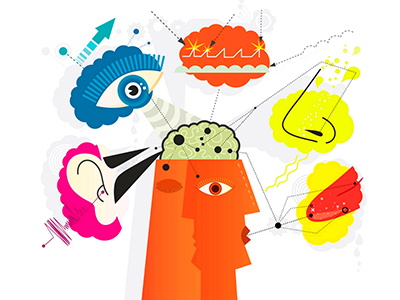
Multisensory MarketingConsumers are exposed to about 200 visual advertising messages a day, which has reduced the response to such stimuli. On the other hand, the other senses have a wider influence, both consciously and subconsciously, as we are less accustomed to marketing activities that target them. That is why we believe it is very convenient for brands  to focus on multisensory marketing strategy, that is, directed to the 5 senses

Advertising  thought that the most important thing of an ad is pleasing to the eye, but the truth is that when it comes to convincing consumers isn´t just go to one of the senses. A report released by Shullman Research Center emphasizes that if we have five sense is for some reason, so the most effective strategy is the one that consider all of them: sight, hearing, smell, taste and touch.

While the view is the most important for 74% of consumers sense, the other senses are also important. This statement is noted in the case of luxury brands, as consumers are least prioritize the sense of sight in marketing campaigns. For these sight and hearing lose relatively importance in favor of touch, taste, and smell.

Addressing men and women also changes the importance of each of the senses.While 85% of women placed in sight as the first or second most important in making a purchasing decision sense, only 79% of men think so. More data are similar in the case of hearing, touch and smell, but also differ in taste (21% of men placed him as the first or second most important sense, while only 17% of women agree the same).

Especially in food and beverage brands is a good idea to bet to multisensory experiences, marketing tactics that go beyond extolling “flavor” or “appearance,” allowing consumers to interact with the products of various shapes and using every way (for example, touching the ingredients with closed eyes, smell before tasting them, making music with them, etc).

Brands that make an impact on consumers by appealing to unusual ways are increasing. Examples of the above are the smell of fresh bread at the supermarket or the smell of wood in luxury cars (although there is no wood inside).

Is your brand sufficiently directed to the 5 senses of consumers?

Contact Us!

Micro Moments: the new challenge for brands

Micro-Momentos

Micro Moments

What are Micro Moments ?. These are defined as “the precise moment when the user decides to perform an action” and positioned as the new battleground for brands. The brands will be successful if we get caught in that moment and show us the easiest to solve our need at that time, such as buying path.

This trend is closely linked to cell phone, because it is the perfect vehicle to take advantage of these micro moments. Mobile devices have changed forever the way we live. The way the consumer is split into thousands of micro-moments. Each is a critical opportunity for brands to shape decisions and preferences. With the phone we are geolocated and can send notifications at that precise moment when the user makes a decision to buy a product.

Companies should investigate their potential customers and know how they behave, what products look, what are their tastes, where they are and, most importantly, they must be able to show them the product they are looking at the right time.

There are 4 types of Micro Moments by Google:

  • I want to know
  • I wanna go
  • I want to do
  • I want to buy

According to a study conducted in Argentina 60% of users access the Internet more often than before, but in shorter time sessions, and 56% of them declared that their actions on the Internet are more spontaneous than planned.

On the other hand the most important stimuli that trigger an internet search are:

  • 88% an activity you want to do
  • 84% thought
  • 83% an unexpected situation

With regard to the 4 Micro moments, the study turned the following results:

Moment “I Do”:

  • 80% of smartphone users search at least once a week, information that helps you perform a task.
  • 90% of the time, Internet helps drive quickly with an answer.
  • 76% of users value the companies that offer content of their video products
  • 96% of those who prefer to turn to YouTube videos

Moment “I Go”:

  • 65% of users looking for directions to a place, at least once a week.
  • 58% of users use applications to find an address

Moment “Want to Buy”

  • 70% of users seeking information regarding any product you buy at least once a week.
  • 72% of the time, the information found on the Internet help you decide if it’s worth paying more for a product.
  • 57% of search engine users considered the best place on the internet to meet new brands.
  • 56% of purchases in a shop are influenced by a smartphone search.
  • 50% of users search and compare prices from the phone, even when you are in store.

Moment “I Know”

  • 95% of users declaring find information to learn more about a particular subject, at least once a week.

Do you think your company is prepared to succeed with your digital strategy in these micro-moments? Contact Us!


LATAM 2015: social media as protagonists

redes sociales como protagonistas

en LATAM 2015 las redes sociales protagonistasIn the 2015 LATAM Media Festival social networks appear as protagonists thanks to the interaction and feedback that enable the users.

Instagram

La red social cuenta ya con 400 millones de usuarios activos y la clave de su éxito reside en la creación de una comunidad apostando por la creatividad. A causa de esto, se vuelve una plataforma muy eficaz para llegar a los millennials. La red profesional no sólo cuenta con publicidad en formato gráfico sino que ha renovado su cartera con el lanzamiento de anuncios en video de 30 segundos de duración.

LinkedIn,  Latinamerican “king”

Resulta necesario señalar que LinkedIn es la plataforma social más usada en América Latina y en la que los usuarios depositan mayor confianza. Price ha expresado: “Nuestra misión a nivel global es conectar a los profesionales de todo el mundo para hacer del mismo un entorno más productivo y exitoso”.

Para que podamos hacernos una idea del papel que LinkedIn juega en Latinoamérica Price ha ofrecido los datos sobre el número de usuarios de algunos de los países. En los primeros puestos encontramos a Brasil con 22 millones de usuarios seguido por otros como México (siete millones de usuarios), Colombia (cuatro millones de usuarios), Argentina (cuatro millones de usuarios), Chile (tres millones de usuarios) o Venezuela (supera los dos millones de usuarios).

“Nuestra idea de oportunidad profesional pasa porque cada usuario pueda mostrar al resto su trayectoria y es por esto que cada vez mejoramos los servicios empoderando a los individuos”, ha concluido Price.

¿Qué pasa con la publicidad?

Dan Rosen, director global de publicidad en Telefónica ha señalado: “El contexto siempre ha sido determinante a la hora de realizar la publicidad”, explicando que LATAM es una región cada vez más mobile. “Mobile, data, localización, social y sensores son los nuevos pilares sobre los que debe trabajar la publicidad” añadió Rosen.

Marketing basado en personas ¿el camino hacia el éxito?

Diego Dzodan, vicepresidente de ventas para América Latina de Facebok dijo “El mobile ha cambiado nuestro comportamiento. Ahora el 73% de las personas que utiliza Facebook lo hace forma multiscreen combinando PC y móvil. El 89% de los millennials accede a la red social en su casa directamente desde el mobile”. Brasil se posiciona como uno de los líderes con 84 millones seguido por México que alcanza los 52 millones de usuarios o Argentina con sus 21 millones de usuarios activos cada mes.

Como conclusión de El Festival of Media LATAM 2015 advertimos que los consumidores latinoamericanos están cada vez más conectados, recurren a las redes sociales para informarse sobre los productos que pretenden comprar y lo hacen a través de múltiples pantallas.

Politics must learn from branding

La política debe aprender del branding

Politics must learn from brandingThe functional purpose of branding is to identify a differential promise about the values of a brand, and communicate it to consumers in a coherent and consistently way. Political parties have failed to transmit that brand promise, resulting in the total loss of public confidence. This is why politics must learn from branding.

Like any brand that has reached its final cycle of life, political parties need a regeneration if they want to survive. These parties are articulated today as a group of members who share the strictest sense of belonging and the denial of anyone who does not share the same opinion. A totally opposite approach to having citizens at the center of their strategies.

But building a political brand is something that takes time and a careful strategy. Unlike other brands that seek the continued confidence of the public, political brands seem to be focused only on getting confidence every four years, when polls become the best indicator of sales and trust.

In the absence of a clear promise, supporting only their messages by generalist ideologies, political parties are engaged in the speeches of fear and in the discrediting of the contrary. But what would happen in the outside world if Pepsi simply told us how bad the ingredients of Coca-Cola are for our organism? It is clear that negative messages do not get adepts to your lines.

Politicians should learn that they should not only communicate to the voters, but especially to those who do not vote, just like any brand that tries to enter the home of new consumers. Even if we move from parties to politicians or brands to branded products, it is necessary to build an emotional connection between the product and the customer. And that is something that does not conform only during a political campaign.

Fortunately, the population is not stupid and picks out those brands with which it feels identified, who have been concerned to build a positive dialogue. Completely neglected by our political brands. It is time for political parties to take good note of what good management of their brand means and what it can do for them.

Facebook launches alternatives to Like button

reacciones en facebook

Facebook lanza alternativas al boton me gustaHace mucho tiempo que los usuarios de Facebook reclamaban opciones alternativas al famoso botón ‘Me gusta’. Aunque el botón ‘No me gusta’ ya estaba descartado hace mucho tiempo, la compañía no tardaría en lanzar algo de este estilo.

El momento llegó y desde el Viernes 9 de Octubre Facebook está probando (en España e Irlanda por el momento) nuevas alternativas al ‘Me gusta’. Los usuarios pueden calificar las publicaciones de sus contactos con emoticones que representan: ‘Me encanta’, ‘Me divierte’, Me alegra’, ‘Me asombra’, ‘Me entristece’ y ‘Me enfada’.

Este nuevo sistema de reacciones funciona de forma independiente al botón ‘Me gusta’ y a los comentarios. Es decir, una publicación puede acumular, por ejemplo, tres ‘Me gusta’, cuatro ‘Me encanta’ y dos comentarios.

Los emoticones se despliegan al pasar el cursor sobre el botón ‘Me gusta’.En la versión móvil, hay que mantenerlo presionado para que aparezcan las nuevas opciones.

Facebook ha matizado que, a diferencia de los ‘Me gusta’, estos emoticones podrán usarse en las publicaciones pero no en los comentarios de las mismas.

Hace unas semanas Mark Zuckerberg anunció: “Es importante dar a la gente más opciones que ‘Me gusta’ para ayudarles a expresar empatía”. El mismo reconoció que “no todos los momentos son buenos momentos”.

No al ‘No me gusta’

La opción de incorporar el botón “No me gusta” fue debatida pero se descartó porque “atraería mucha negatividad a Facebook y esto es algo que desde la red social no se quiere promover”, según palabras de Bret Taylor, ex directivo de la empresa y creador del botón ‘Me gusta’.

Los responsables de la red temían que esa posibilidad aumentase las tasas de acoso cibernético. Además, creían que afectaría de forma negativa a empresas y marcas, lo que podría conllevar pérdida de grandes ingresos para Facebook.

How to make a good political digital marketing campaign?

¿Qué tiene una buena campaña de marketing político digital?

campaña de marketing digital para políticaEl mundo online cada vez está más presente en nuestras vidas y la política no iba a ser menos.

Conocimos una nueva forma de gestionar una campaña de marketing digital para política en 2008 con la elección de Obama. Emplearon redes sociales, acciones con líderes de opinión, bloggers, campañas de emailing, encuestas online, campaña de medios online, y todo ello envuelto en una estrategia de marketing digital bien planeada, eficiente y alineada con la estrategia offline.

En las campañas de Marketing Digital para Política distinguimos dos focos básicos: la presencia propia del partido y del candidato, y lo que se genera en torno de éstos fuera de su control en la red.

¿Qué tiene una buena campaña de Marketing Digital para Política?

Lo primero que el candidato y su partido tiene que tener es una presencia en Internet que sea: interactiva, planificada, atractiva y con contenido de calidad. Todo esto se debe llevar a cabo pensando en los variados tipos de votantes, perfiles y distintas zonas geográficas que nos darán como resultado plataformas, mensajes y slogans múltiples para cada uno de ellos.

En este punto vamos desde un blog del partido, blog del candidato, página oficial y grupos y perfiles en rede sociales como Facebook, Twitter, un canal en YouTube, Vimeo o DailyMotion, una página en Google+, cercanía personal mediante Mobile marketing con WhatsApp, WeChat, Line, Instagram, además de nuestras imágenes en Flikr y tableros en Pinterest.

El segundo punto importante es la tecnología de seguimiento. Es imprescindible “escuchar el ruido online” relacionado con el candidato, el partido, el slogan de campaña y los mensajes de campaña, lo que se denomina comunmente como monitoreo de reputación online.

Lo primero es analizar el contenido generado en Internet para:

  • Identificar las diferentes temáticas de las que se está hablando en Internet.
  • Valorar los sentimientos positivos, neutros o negativos de los contenidos.
  • Clasificar las fuentes donde se publica ese contenido.
  • Cómo estos contenidos influyen en la masa y en los influenciadores.
  • Todo esto se trabajará también con todos nuestros competidores.

Una vez que dispongamos de esta gran cantidad de información clasificada, lo que obtendremos como resultado es: ¿Qué se dice? ¿Quiénes lo dicen? ¿Cuándo se dice? ¿Cómo se dice? ¿Dónde se dice?, y todos estos datos por idioma y zonas geográficas.

Toda esta información nos da pie a:

  • Evaluar la efectividad de las campañas.
  • Identificar los mensajes de mayor impacto y rentabilidad.
  • Manejar 24 horas los tiempos de campaña.
  • Conocer como se perciben los candidatos y partidos en la mente de los votantes.
  • Analizar los sitios de Internet y temáticas en los que nuestra campaña genera más valor.

Por último se debe añadir el efecto de la Geolocalización. Con la tecnología adecuada podemos obtener datos de incalculable valor político; por ejemplo, la cantidad de ruido online en tiempo real, las temáticas de conversación en tiempo real, lo que se está diciendo en tiempo real e identificar a los usuarios.

CEOs are increasingly aware of the importance of digital tools

Los CEOs cada vez son más conscientes de la importancia de las herramientas digitales

Los CEOs cada vez son más conscientes de la importancia de las herramientas digitales
Que las estrategias digitales son el futuro de cualquier compañía es una obviedad que nadie se atrevería a negar. Pero los directores ejecutivos de las empresas tienen cada vez más en cuenta esa premisa, y comienzan a incorporar la tecnología como una herramienta esencial también para el desarrollo de la empresa. Así lo comprobamos en una reciente
encuesta sobre la inteligencia digital de PwC a más de 2000 ejecutivos: este año, el 73% de ellos afirmó que el CEO de su compañía está ayudando a promover las nuevas tecnologías digitales, cuando solo el 57% de los CEOs eran conscientes de la importancia de las herramientas online.

Ese cambio se manifiesta, además, en que las compañías buscan invertir en tecnología que impacte en todas las líneas de negocio: el 31% de los encuestados afirmaron que sus empresas dedican más del 15% de sus ingresos a mejorar de tecnología en los distintos departamentos, y no solo en el propio de TIC.

¿Y qué esperan desde las empresas de esa mayor inversión en digital? La gran mayoría de los encuestados (45%) un aumento de los ingresos, aunque un 25% también considera importante crear una mejor experiencia del consumidor. Por debajo quedaría otros objetivos como innovar, ahorrar costes, mejorar la toma de decisiones a través de análisis de datos, mejorar la reputación de marca o combatir a nuevos competidores.

¿Cómo medir la inteligencia digital de una empresa?

El informe de PwC trata de encontrar aquellos atributos que definen una alta inteligencia digital por parte de una empresa y el liderazgo del CEO es clave, pero también debe estar apoyado por el resto del equipo ejecutivo.

Así, hay 10 características que definen a las empresas con alta inteligencia digital: un líder ambicioso, directores de informática y datos que colaboren a la hora de poner en marcha la estrategia, un equipo ejecutivo comprometido con el tema digital (algo en lo que falla prácticamente la mitad de las empresas), una estrategia común y compartida por toda la compañía, una aproximación interna a la innovación, una rápida adopción de tecnologías que supongan una ventaja competitiva,un uso efectivo de los datos de negocio, una actitud proactiva hacia la cyberseguridad, el establecimiento de una hoja de ruta de la estrategia digital, y una medición de resultados consistente.

Los CEOs consideran que las estrategias de marketing son poco efectivas

Aunque los CEOs son ya muy conscientes del impacto que las nuevas tecnologías pueden tener en su negocio, no lo son tanto del potencial para sus campañas de marketing.

Según otra encuesta de Forbes Insights, el 69% de los CEOs considera que la inversión en marketing no se está aprovechando como debería, mientras que entre los CMOs, son solo el 34% los que opinan lo mismo.

En concreto, los directores ejecutivos consideran que se debería mejorar el conocimiento del cliente, y el 69% afirma que la empresa no entiende a los clientes.

Eso sí, tienen muy claro que la solución pasa por el big data, y de hecho, aquellas empresas que cuentan con buenas herramientas para el análisis de datos son las que están más dispuestas a aumentar la inversión en marketing.

Fuente: puromarketing.com

The cell phone is the main Internet connection device for Internet users

The cell phone is the main Internet connection device for Internet users
El celular es el principal dispositivo de conexión a internet para los internautas


AIMC (Association for Media Research) presented the results of a new study revealing internet users’ habits regarding mobile internet consumption. This study aims to determine how mobile devices and internet access affect media consumption. It also seeks to gain a deeper understanding of individuals who use these devices to access the internet and their relationship with the media.

The main conclusions are as follows:

RELATED TO THE MOST COMMONLY USED DEVICES AND CONNECTION TYPES

  • The mobile phone is the most used device for connecting to the internet on the go: 97% of those surveyed are mobile phone users. 84% of internet users own a smartphone, and of those, 95% have a data plan.
  • The smartphone is the leading device for internet access: 85% of internet users reported using it to connect to the internet in the last month, followed by laptops (76%) and desktop computers (69%).
  • More than half of internet users own a tablet and connect to the internet via Wi-Fi: 6 out of 10 internet users have a tablet at home, and 21% of them have a data plan on one of their tablets. The remaining 79% can only connect to the internet via Wi-Fi.
  • Laptops are beating desktop computers: 81% of internet users have at least one laptop in their homes, while 68% of those surveyed have at least one desktop computer.

REGARDING THE PLACE OF USE

  • For all the devices analyzed, home use is the most widespread. Even so, the smartphone is the most used device (95% at home, 81% on the street, 74% in leisure venues, 68% on public transport, and 55% at work).

REASONS FOR CONSUMPTION AND MOST USED SERVICES

  • If we exclude internet use for work purposes, focusing solely on personal use, the average internet user spends 231 minutes online per day.
  • Checking email and using search engines are among the most frequent activities: only 1% reported not using these services in the last month. Among the least used services, online gambling stands out, used by only 9% of internet users.
  • The preferred device for accessing each service is, in most cases, a computer (laptop or desktop), especially for services requiring a certain level of security, such as “buying products or services” (78%) or “connecting to your online bank” (65%).
  • Mobile devices are preferred for services such as accessing “social media,” “online video games,” and “reading the news.”

RELATED TO MEDIA CONSUMPTION

  • Television, at almost 93%, is the most consumed medium by internet users overall (online and offline) during the week, followed by radio and newspapers with 80% and 78% respectively. Magazines come in last place, with 55% coverage.
  • If we focus on traditional media consumption, television is also the preferred medium for 6 out of 10 respondents, followed by radio (52%), magazines (25%), and newspapers (13%).
  • Regarding exclusively online media consumption, print media has the highest percentage of coverage.

Source: www.puromarketing.com